
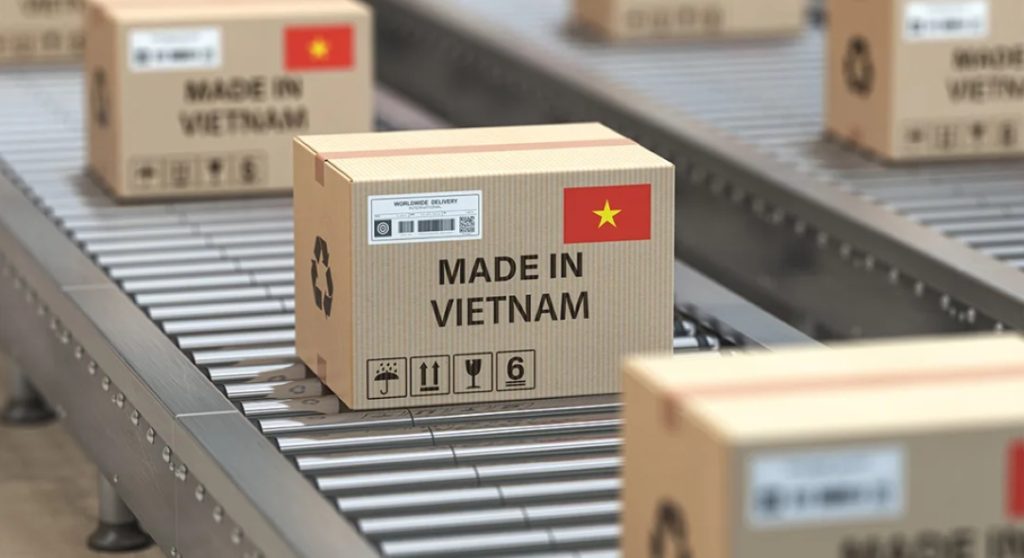
Your Strategic Vietnam Bag Manufacturer: Mass Production, Shipping & Backup Solutions
In today's volatile global market, securing a resilient and high-quality supply chain is no longer a strategic advantage—it's a fundamental necessity for survival and growth. For US-based retail giants and handbag brands, the over-reliance on a single manufacturing region has exposed significant vulnerabilities. The lessons from recent years are clear: tariff uncertainties, geopolitical shifts, pandemic-related shutdowns, and logistical bottlenecks can halt production overnight, jeopardizing revenue and brand reputation. This is where strategic diversification into Southeast Asia, specifically with a reliable Vietnam bag manufacturer, becomes a critical, forward-thinking move. Vietnam has rapidly emerged as a global powerhouse in accessory and apparel production, offering a compelling blend of skilled craftsmanship, competitive costing, and a progressively sophisticated industrial infrastructure supported by significant government investment. However, navigating this dynamic landscape presents its own unique set of challenges. Identifying a factory that not only meets your capacity and quality standards but also aligns with the stringent social compliance, security (C-TPAT), and logistical demands of major US retailers requires deep, on-the-ground expertise. It involves far more than just finding a supplier through an online portal; it demands building a transparent, accountable, and agile manufacturing partnership. We bridge that gap, providing the critical oversight, risk management, and strategic guidance needed to unlock the full potential of Vietnamese manufacturing, ensuring your production lines remain robust, compliant, and consistently deliver the quality your customers expect.
Why Choose a Vietnam Bag Manufacturer for Your Next Collection?
Making the strategic shift to a Vietnam bag manufacturer offers a powerful combination of benefits tailored for the intense demands of the US retail market. The country's "China Plus One" appeal is rooted in tangible, measurable advantages, but achieving success hinges on understanding where it truly excels and how to navigate its specific operational environment. Vietnam is an ideal manufacturing hub for large-volume, established production runs where consistency, quality craftsmanship, and cost-efficiency are paramount. Its workforce is highly skilled in complex sewing and assembly techniques, making it a prime location for handbags, backpacks, travel goods, and technical bags that require detailed, labor-intensive work. However, it's crucial to approach Vietnam with a clear-eyed understanding of its operational landscape. While Vietnam's manufacturing capabilities are robust and expanding, its upstream supply chain for specialized raw materials and high-tech components is still maturing compared to China's. This means that for orders requiring highly customized hardware, unique proprietary fabrics, or specific electronic components, lead times may be longer as these materials often need to be imported. We proactively mitigate this challenge by partnering with factories that have established, reliable import channels and by building realistic, buffered timelines into the production schedule from day one. This foresight prevents downstream delays and ensures predictable delivery schedules.
Key Advantages of Manufacturing in Vietnam:
- Cost-Effective & Skilled Labor: Access a young, dynamic, and highly trainable workforce at a competitive wage. This delivers exceptional value, particularly for products requiring intricate assembly and detailed finishing that are becoming prohibitively expensive in other regions.
- Favorable Trade Environment: Vietnam is a signatory to numerous free trade agreements, including the Comprehensive and Progressive Agreement for Trans-Pacific Partnership (CPTPP) and the EU-Vietnam Free Trade Agreement (EVFTA). This integration into the global economy creates a stable trade environment and can result in more favorable tariff and duty structures for goods imported into the United States.
- Proven Quality & Craftsmanship: Leverage a long-standing tradition in textile and garment production. Vietnamese factories have a well-earned reputation for high standards of finishing, durable construction, and the ability to execute complex designs with precision, ensuring your products meet the expectations of discerning consumers.
- Scalable Production Infrastructure: With dedicated industrial zones and government support for manufacturing, many established factories in Vietnam are equipped to handle the high-volume orders required by major US retailers. They have proven track records of scaling production to meet intense seasonal demand without compromising quality control.
Our Rigorous Supplier Screening for Your Ideal Vietnam Bag Factory
Why It Matters for Your Business
Identifying the right manufacturing partner is the single most critical factor for success in Vietnam. A low price quote is meaningless if the factory fails a social compliance audit, cannot meet your delivery window, or produces inconsistent quality. Our vetting process is exhaustive, built on years of experience understanding the specific, non-negotiable requirements of US retail procurement teams.
Screening Pillar
We go far beyond surface-level assessments to ensure any potential vietnam bag factory we recommend is a true strategic partner capable of supporting your brand's growth and protecting its reputation. Our comprehensive supplier scorecard is built on four core pillars, ensuring a holistic evaluation that safeguards your brand and your bottom line.
Key Evaluation Criteria
In our experience, a factory's communication protocol and management systems are just as important as its production machinery. We have seen promising partnerships fail simply because the factory’s management team could not provide the clear, proactive, and timely updates that are critical for US-based teams managing production from thousands of miles away. That's why our screening process heavily weights English proficiency, technological integration, and the implementation of modern project management systems.
Production & Capacity
Machine audits, production line efficiency analysis, scalability for peak seasons, sample development turnaround times, raw material sourcing capabilities.Ensures the factory can meet your volume demands without sacrificing quality, preventing stockouts during crucial selling seasons and avoiding the high cost and risk of switching suppliers mid-cycle.
Quality Management
In-line and end-of-line QC processes, material inspection protocols, defect rate tracking (AQL standards), testing capabilities for material durability and safety.Guarantees product consistency across entire production runs, minimizes costly returns or chargebacks from retailers, and protects your brand's reputation for quality and reliability.
Compliance & Ethics
Audits for social standards (WRAP, SA8000, BSCI), environmental regulations, and C-TPAT security protocols. Verification of certifications and unannounced spot checks.Protects your brand from severe reputational damage and ensures uninterrupted access to the US market by avoiding customs holds or import bans related to labor or environmental violations.
Communication & Mgmt.
English proficiency of key staff, responsiveness metrics, ERP/project management system usage, financial stability analysis, management team experience.Provides the transparency and reliability needed for smooth project execution, ensuring small issues are resolved before they become major problems and giving your team full visibility into the production timeline.
The "China Plus One" Advantage: De-Risking with a Vietnam Bags Factory
The "China Plus One" strategy is no longer a niche concept for early adopters; it's a mainstream imperative for building a resilient, future-proof supply chain. By establishing a manufacturing footprint in Vietnam alongside your existing operations in China, you create a powerful buffer against a wide array of risks. This dual-base approach allows you to strategically shift production based on changing tariff landscapes, logistical challenges, or regional disruptions, ensuring business continuity in an unpredictable world.
How We Implement Your Dual-Base Strategy:
- Proactive Risk Mitigation: When tariffs, geopolitical tensions, or unforeseen events like regional lockdowns impact one country, we can quickly and efficiently ramp up production in the other, minimizing disruption to your supply and protecting your revenue streams.
- Peak Season Agility: During high-demand periods like the back-to-school or holiday seasons, capacity in a single region can be strained, leading to delays and quality issues. A dual-base system allows you to leverage the combined capacity of both Chinese and Vietnamese factories to meet tight deadlines without compromise.
- Strategic Cost Optimization: We help you conduct a detailed analysis of your product mix to determine which SKUs are best suited for each location. For example, a labor-intensive, multi-compartment backpack may be more cost-effective to produce in a vietnam bags factory. In contrast, a "smart" bag with integrated electronics might remain in China to leverage its mature tech component supply chain.
- Seamless Technical Transition: Our teams in both China and Vietnam work in concert to ensure that tech packs, quality standards, material specifications, and production protocols are perfectly mirrored. We create a "golden sample" and a master quality manual that allows for a smooth transition of production between locations with a minimal learning curve, ensuring your product remains perfectly consistent regardless of its origin.
Why Partner With Us for Your Vietnam Sourcing Needs?
Navigating the complexities of overseas manufacturing requires more than a directory of factories. It demands a partner with deep institutional knowledge, a robust on-the-ground presence, and a vested interest in your success. We act as a dedicated extension of your procurement and production team, focused on protecting your interests and delivering measurable results. Our entire service model is built around the specific needs of US brands and retailers who cannot afford mistakes in their supply chain.
- Deep US Retail Expertise: We don't just understand manufacturing; we understand the intricate compliance manuals, packaging requirements, quality standards, and tight delivery windows of major US retailers like Target, Walmart, and Costco. We ensure your products are compliant from the factory floor to the distribution center, preventing costly chargebacks.
- On-the-Ground Teams: Our local teams in Vietnam provide real-time, hands-on oversight. They conduct in-person factory inspections, manage quality control during every stage of production, and solve problems as they arise—not weeks later when a container of faulty goods arrives in Long Beach.
- Transparent Process & Communication: We provide clear, consistent communication and detailed reporting throughout the entire production lifecycle. You receive the transparency and accountability of dealing with a domestic partner while reaping the full benefits of global sourcing.
- End-to-End Solution: From initial factory vetting and price negotiation to production management, quality assurance, and final logistics coordination, we manage every step of the process. This frees your team to focus on what they do best: designing, marketing, and selling great products.
Ready to build a more resilient and reliable supply chain?
Schedule a no-obligation consultation with our sourcing experts today.
Frequently Asked Questions (FAQ)
What is the typical lead time for a bag order from a bag manufacturer in Vietnam?
Typical lead times generally range from 90 to 120 days from purchase order confirmation to FOB (Free on Board) shipment. This timeline can be broken down as follows: raw material sourcing and approval (30-45 days), mass production (45-60 days), and final quality assurance and packing (5-10 days). For bags using locally sourced materials, this timeline can sometimes be expedited. However, complex designs with multiple imported components may require the full 120 days to account for international shipping and customs for materials. We work with you to establish a realistic, detailed timeline based on your specific product needs.
How do you ensure ethical and social compliance in your partner factories?
We maintain a zero-tolerance policy for compliance violations. Our process begins with requiring all potential factory partners to provide current, valid certifications from internationally recognized bodies like BSCI and SMETA 4 Pillar. Our on-the-ground teams then conduct their own physical audits to verify factory conditions, worker treatment, wage and hour records, and safety protocols. We believe in continuous monitoring through unannounced visits, not just a one-time check, to ensure these high standards are upheld throughout our partnership, aligning with the growing importance of ESG (Environmental, Social, and Governance) criteria.
What are the main differences in cost when manufacturing in Vietnam vs. China?
While direct labor costs are generally more competitive in Vietnam, the total "landed cost" is more nuanced and must be carefully calculated. China often retains an advantage in raw material and component costs due to its highly developed, vertically integrated domestic supply chain. Therefore, the final cost depends heavily on the bag's bill of materials (BOM). We provide a detailed cost-benefit analysis for your specific products, factoring in labor, materials, logistics, shipping, and any applicable tariffs to give you a transparent, all-encompassing picture of the total cost from each region.
Can you handle complex designs and materials in a Vietnam bag factory?
Absolutely. The skill level within the Vietnamese workforce is exceptionally high, particularly for complex sewing, detailed assembly, and working with a wide variety of materials. This includes traditional materials like leather and high-denier nylons, as well as modern, sustainable materials like recycled PET (RPET) fabrics, vegan leathers, and waterproof coated canvases. We partner with a network of factories that specialize in different product categories, ensuring we match your design's complexity and material requirements with a facility that has proven expertise in that specific area.
How does your "China Plus One" strategy work in practice during peak season?
During peak season, we leverage our dual-base network for maximum flexibility and agility. This strategy is planned months in advance, not as a reaction. For example, if your primary factory in China is projected to be at full capacity, we can activate a pre-vetted vietnam bag factory to produce a portion of your order. Because we've already aligned the tech packs, quality standards, and materials, the transition is seamless. This proactive load-balancing prevents production bottlenecks, mitigates the risk of relying on a single point of failure, and ensures you can meet critical holiday and seasonal retail deadlines.
What are the typical payment terms when working with a Vietnam bag manufacturer?
The most common payment structure is a 30% deposit upon placement of the purchase order, with the remaining 70% balance due upon completion of production and before shipment. This final payment is often made against a copy of the Bill of Lading (B/L) after a successful final inspection. The initial deposit allows the factory to procure raw materials. For long-term partners with a consistent, high-volume order history, more flexible terms can sometimes be negotiated. For very large orders, a Letter of Credit (L/C) is also a common and secure payment instrument. We facilitate these negotiations to establish a fair structure for both parties.